
33 Countries Are Telling Their People To Stockpile | 33 | There's That Number Again
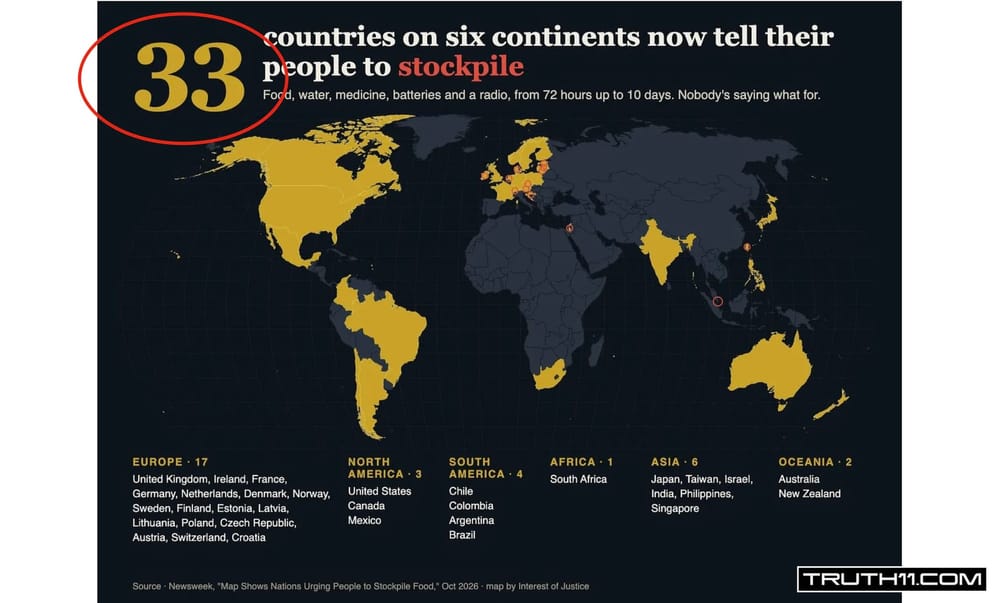
From London to Tokyo to Berlin, governments want you ready to survive days on your own — and nobody's saying what for.
Lady Xylie | interestofjustice.substack.com
Thirty-three countries — on six continents — are now telling their own people to stock up, by news counts this month. They want you sitting on food, water, medicine, batteries and a radio — enough to ride out days with no help coming.
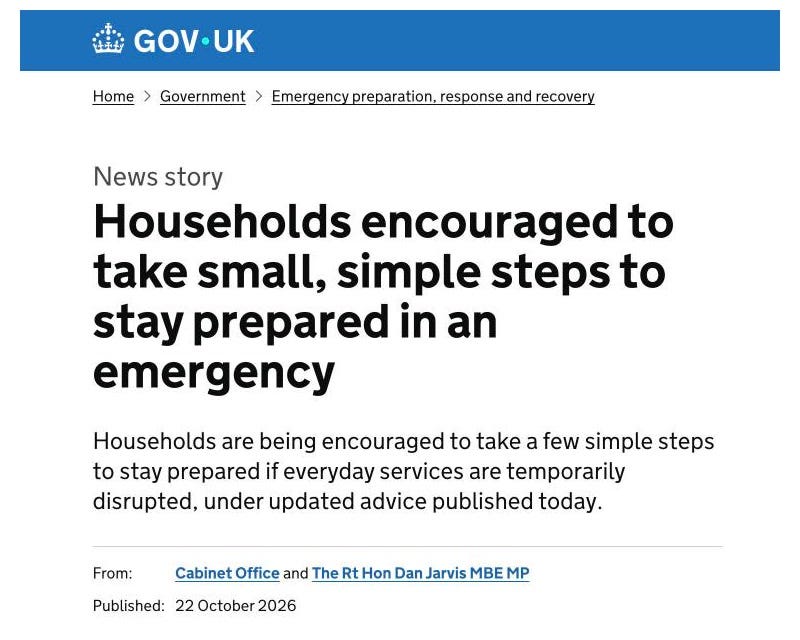
Britain launched its "Be Ready" campaign on 22 October — the first phase of a three-year national effort — telling households to keep at least 72 hours of food and water, amid warnings that Russia could threaten a NATO country within the next few years. On 2 November, Japan's new disaster agency advised three days to a week. Germany recommends up to ten days, Sweden and Norway about a week, Canada and the Netherlands three days. In France, the regional government of Normandy posted, "Don't wait for the emergency: prepare now!"
The European Union has gone further. Its Commission formally recommends that every household be able to survive 72 hours on its own. Its preparedness commissioner, Hadja Lahbib, put it plainly — "72 hours of self-sufficiency is what we recommend."
Prepare for what, exactly? Nobody's saying.
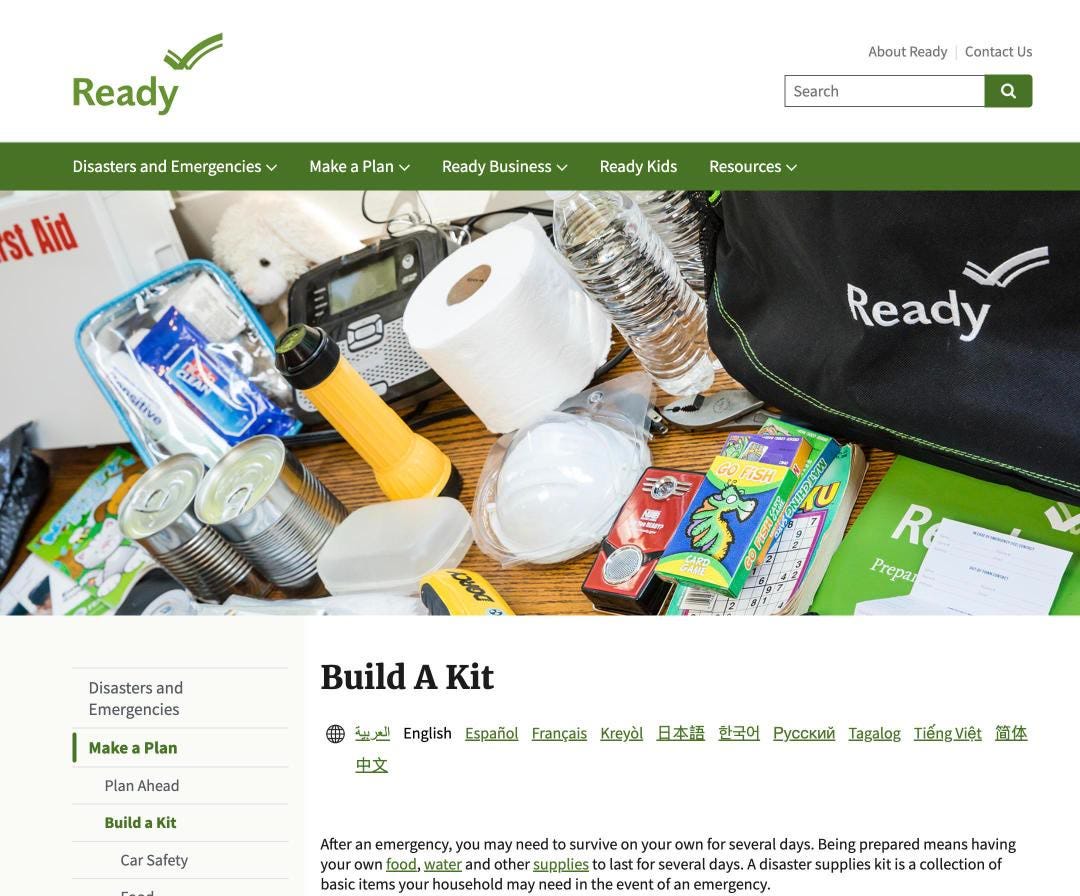
In the United States there's no new federal order — Ready.gov still says "several days." But former FBI deputy director Dan Bongino is telling his listeners to keep a month of food and water and turn their homes into fortresses that could hold out on their own. "There have been some warnings put out by the UK government and elsewhere about 30 days of preparedness," he said on his show. "You have to make Fortress My House, Fortress My Apartment." When a former Secret Service agent who went on to help run the FBI tells you to fortify your home, it's wise to pay attention.
Not long ago, "preppers" were mocked in the press and treated with suspicion by federal law enforcement. Now governments on six continents are asking everyone to become one.
The Pentagon is getting ready too. On 30 September, Defense Secretary Pete Hegseth launched an initiative called FORTRESS, which he calls the "nation's insurance policy," and his memo says more US military bases must be able to run on their own for at least three months if they're cut off from outside supplies. Families are told to hold out for a few days, while the military plans for ninety.
Meanwhile, the world's great powers are counting their weapons. The New York Times reports the US has fired more than 1,500 Patriot interceptors since the Iran war began — leaving fewer than 1,700 — and moved Tomahawk missiles once held in reserve for China to the Middle East. Analysts warn that Russia and China could see an opening. The White House insists America has "more than enough firepower." At the same time, Trump, Putin and Xi are reportedly preparing for the first-ever three-way nuclear talks, with roughly 11,000 warheads between them.
Food is the next pressure point. The UN's World Food Programme has warned that up to 45 million more people could be pushed into hunger, with roughly a quarter of the world's fertilizer moving through the Strait of Hormuz and planting seasons that can't be postponed. Thailand's government is urging people not to panic-buy, insisting supplies are "sufficient." Official reassurance of that kind has a way of sending shoppers out to strip the shelves bare within hours.
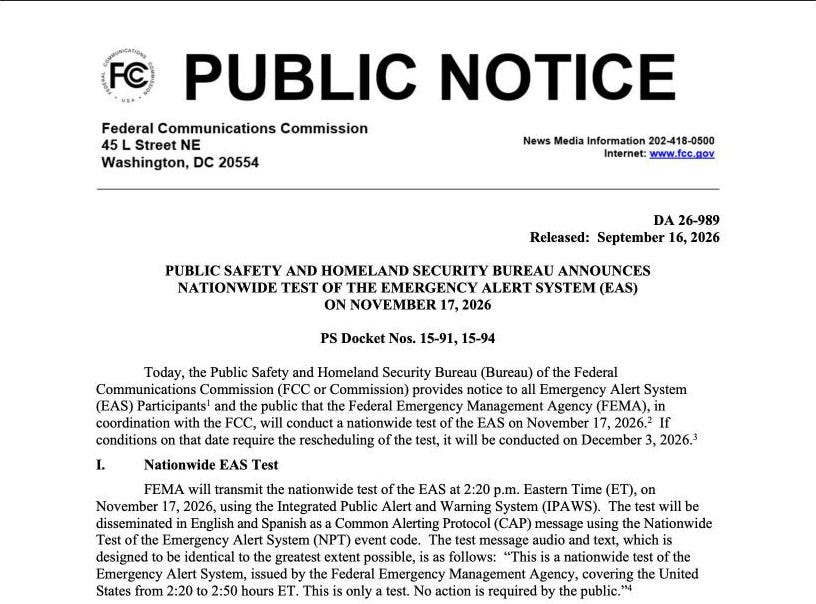
On Tuesday, 17 November, at 2:20 pm Eastern, FEMA and the FCC will test the national Emergency Alert System on every TV and radio in America. Officials call it routine.
Cyberattacks are on the official list too — Britain's Be Ready campaign names them among the threats households should plan for. On 13 November, the FAA grounded every departing flight in America after a communications outage hit its air traffic control centers. Three days earlier, the FAA had expanded its new AI air traffic tool, SMART, to all 22 of those centers. Transportation Secretary Sean Duffy says the AI tool played no role, and its developer says the same, while Homeland Security says it's looking at whether there's a connection.
Back in July 2020, Klaus Schwab opened the World Economic Forum's Cyber Polygon exercise by warning of "a comprehensive cyber attack, which would bring to a complete halt to the power supply, transportation, hospital services, our society as a whole." Fear about AI is everywhere right now, and governments seem far more focused on getting us mentally prepared for some kind of attack, real or staged, than on explaining what's actually going wrong.
But don't worry — officials say there's "no specific threat."
As for the number — 33 is the highest degree in Scottish Rite Freemasonry, and those who run these institutions have long shown a fondness for numerology and symbols. Coincidence? Draw your own conclusions.

Thirty-three governments are now conditioning millions of people to expect days without power, food or help. Are they preparing us for a real threat, or for a narrative? After what was done in the name of the last "emergency," it's a fair question — as is who will arrive with the "solution" afterwards.
Read the warnings yourself
Here is every one of the 33, each linked to its own government's advice, with how long they want you to hold out where they say.
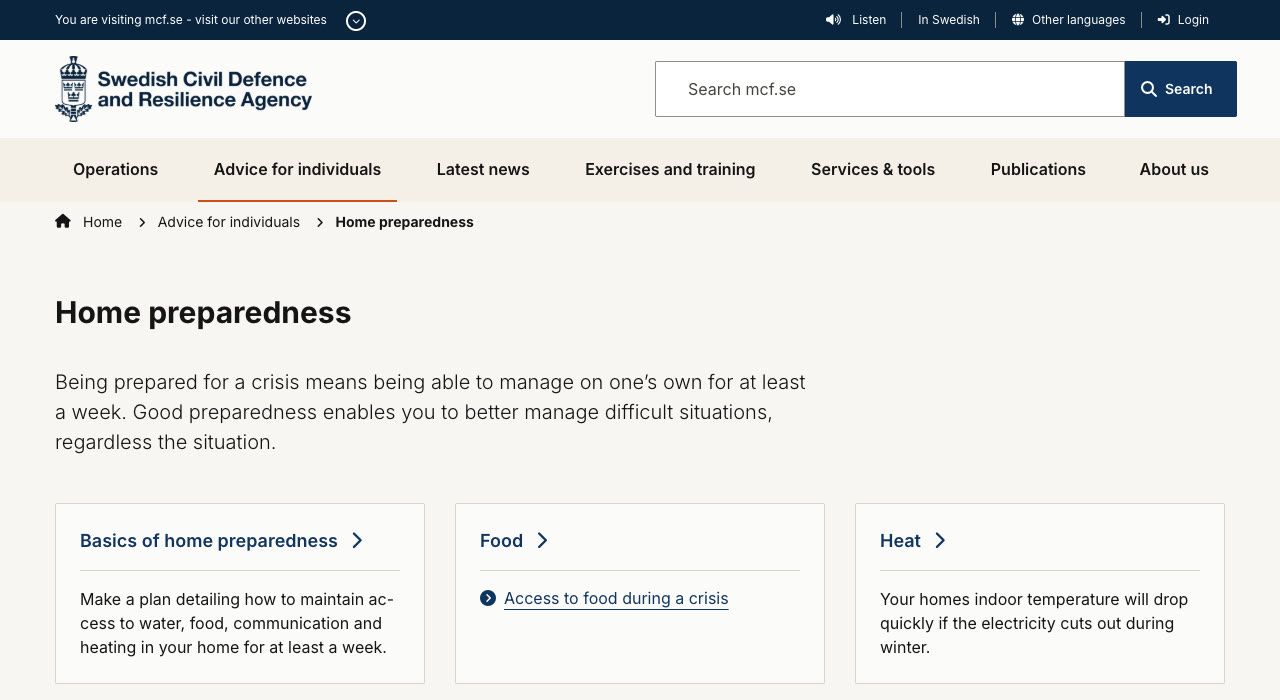
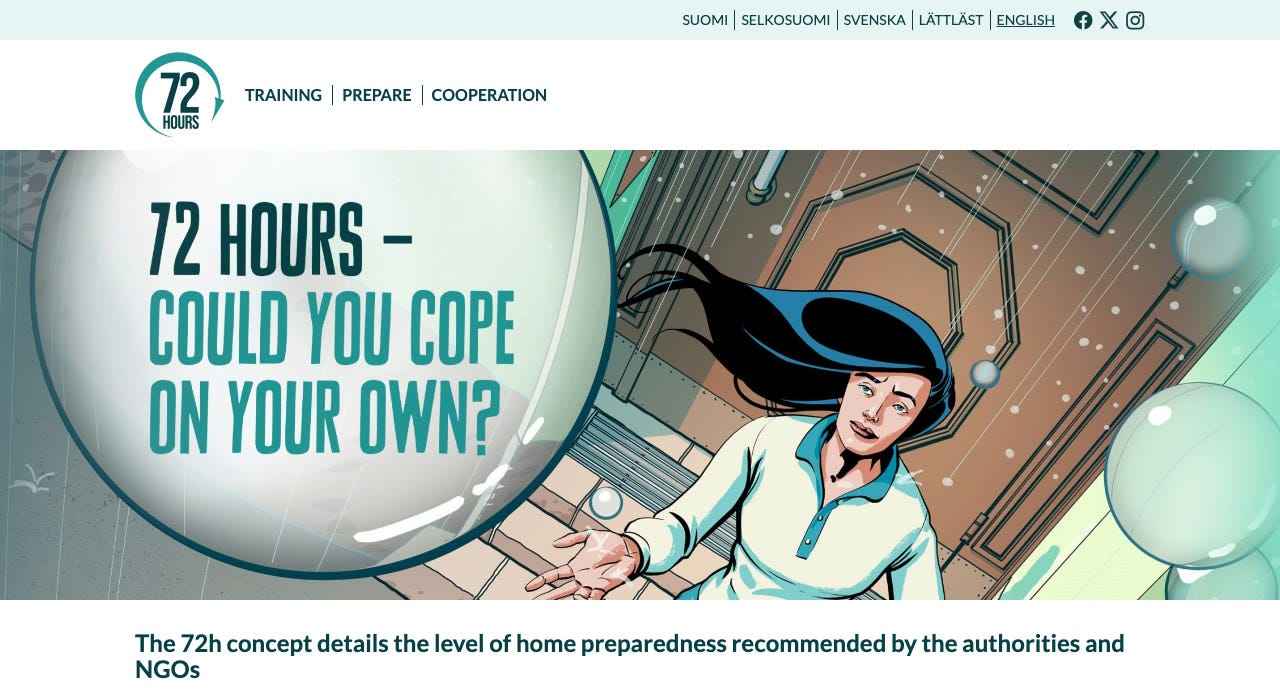
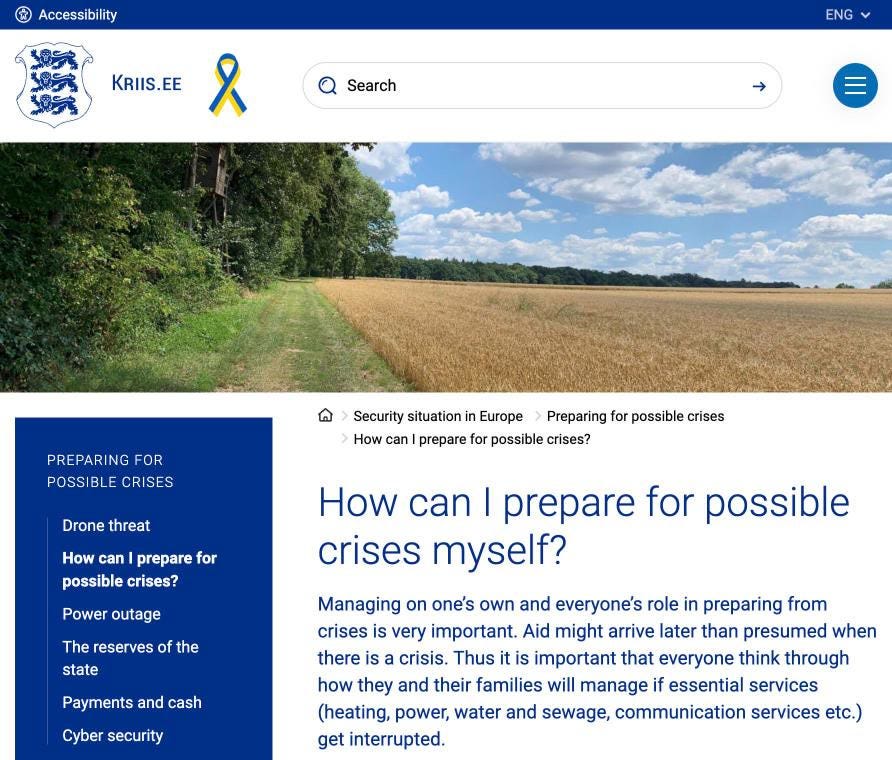
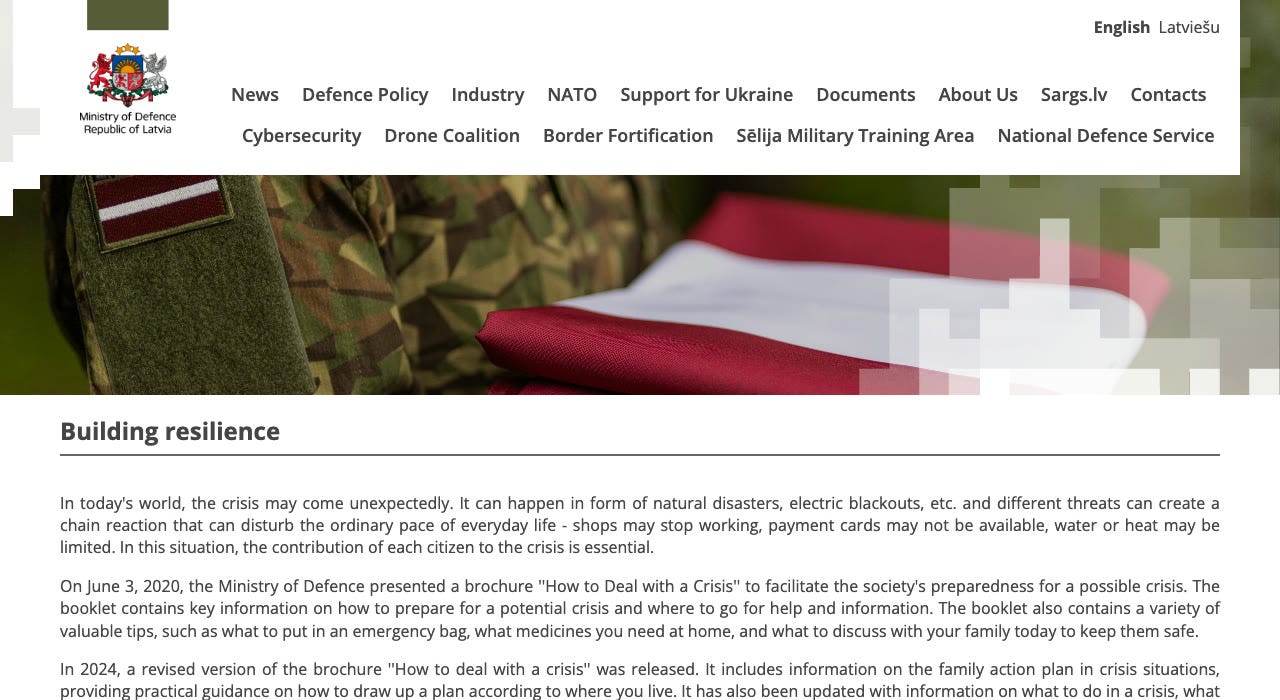
Europe — United Kingdom (3 days) · Ireland · France (72 hours) · Germany (up to 10 days) · Netherlands (72 hours) · Denmark (3 days) · Norway (1 week) · Sweden (at least a week) · Finland (72 hours) · Estonia (a week) · Latvia (72 hours) · Lithuania (72 hours) · Poland · Czech Republic (72 hours) · Austria (10 to 14 days) · Switzerland (about a week) · Croatia (at least 2 days)

North America — United States (several days) · Canada · Mexico (2 days)
South America — Chile (48 to 72 hours) · Colombia · Argentina (1 day) · Brazil
Africa — South Africa (Cape Town) (at least 3 days)
Asia — Japan (up to a week) · Taiwan · Israel (72 hours) · India · Philippines (72 hours) · Singapore
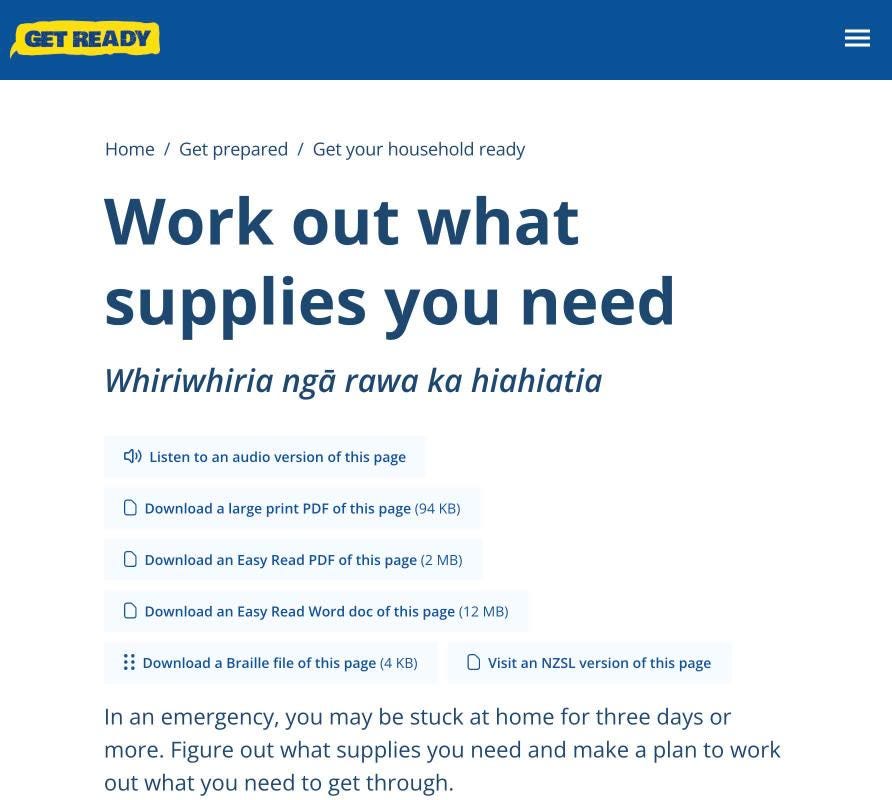
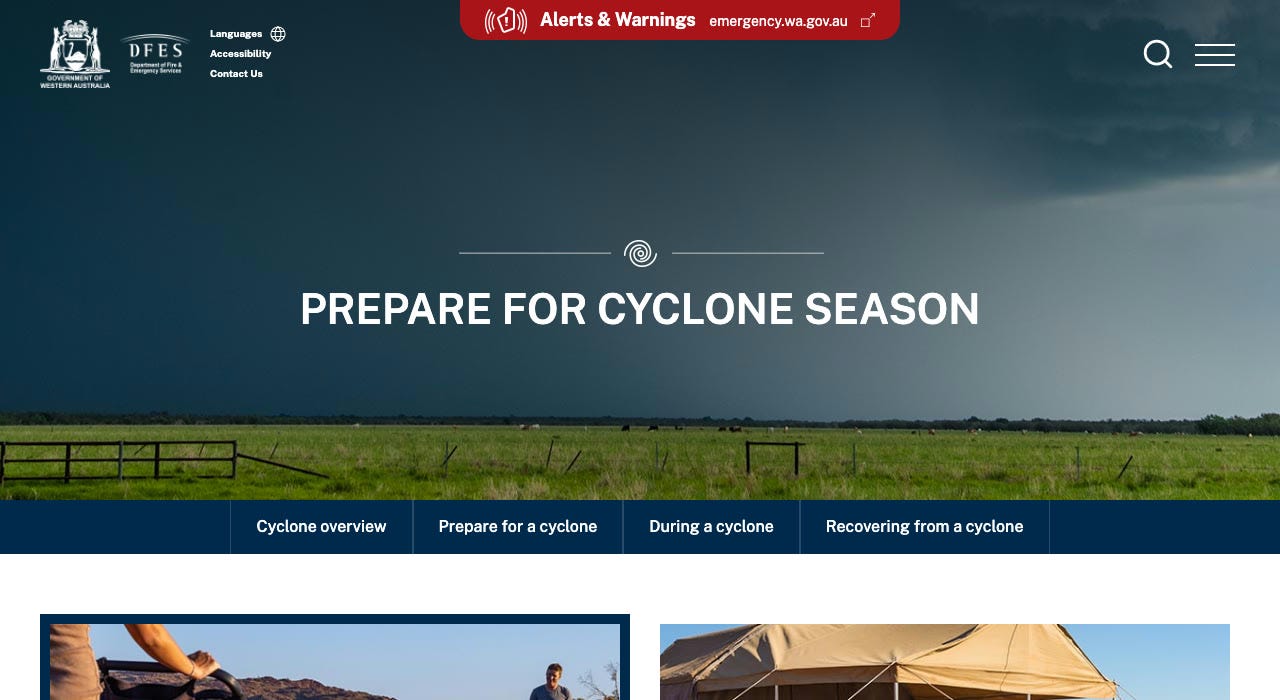
Oceania — New Zealand (3 days or more) · Australia (Western Australia) (5 to 7 days)
So what should you do? Don't panic. Keep water, food, medicine, cash and a battery radio on hand — the same advice your own government gives. Know your neighbors, keep your phone charged, and keep your eyes and ears open.
Please share this far and wide. The more of us watching, the harder it is for anyone to use the next "emergency" as an excuse to curtail our rights.
Source: https://interestofjustice.substack.com/p/33-countries-are-telling-their-people
Original Article: https://t.me/DrMikeYeadonsolochannel/5781
Related:




Comments ()