
Satellites in "Space" | Or Not?
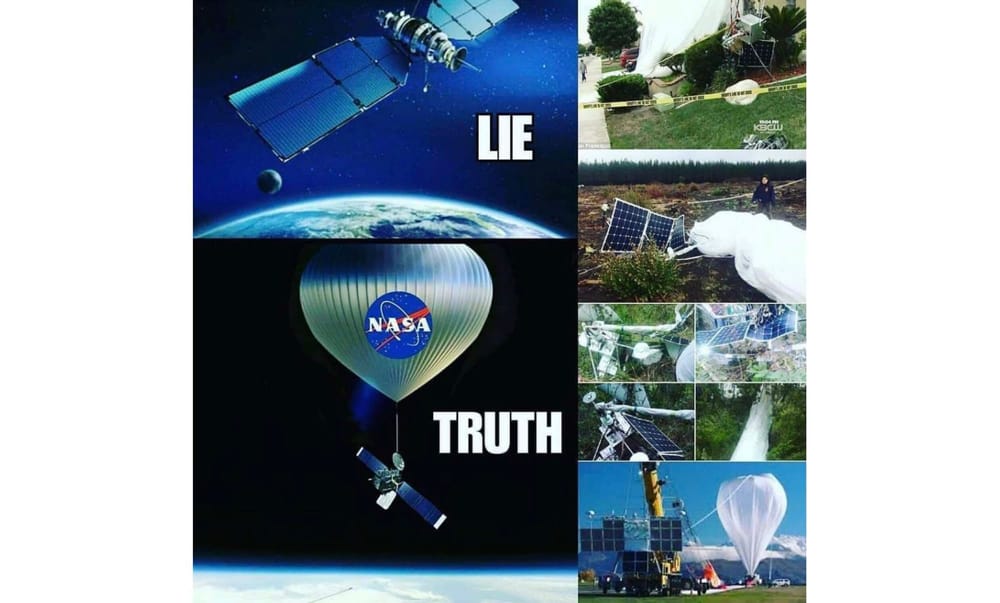
Are Satellites located in Space or within Earth’s Atmosphere?
MP
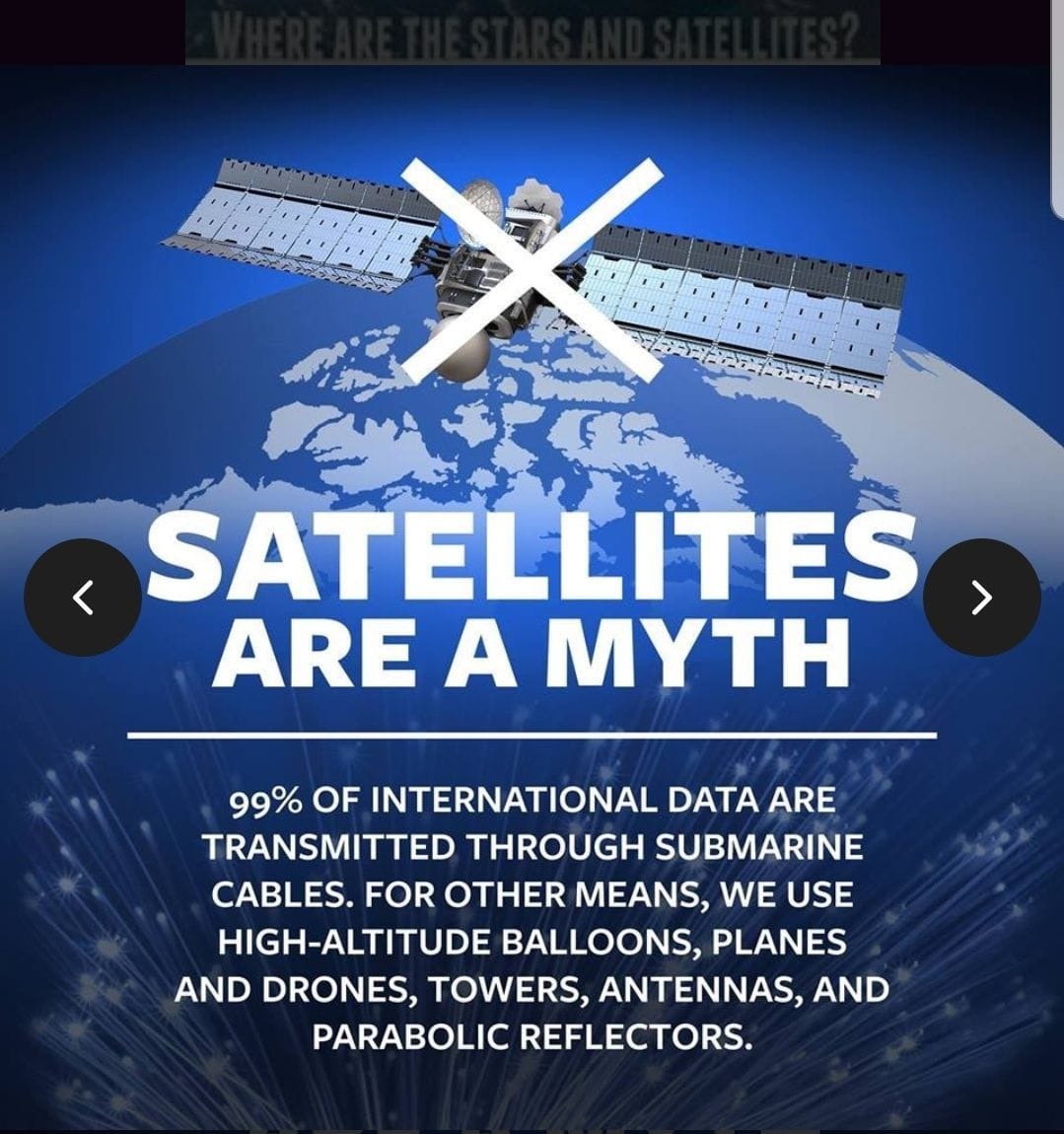
Most people would probably agree that a satellite describes a man-made communication device that is launched outside of Earth’s atmosphere into space.
According to the Cambridge Dictionary, a satellite is defined as:
“A device sent up into space to travel around the earth, used for collecting information or communicating by radio, television, etc.”
So as to determine if satellites are outside of the atmosphere, or not, the first logical question should be - at what altitude does space start?
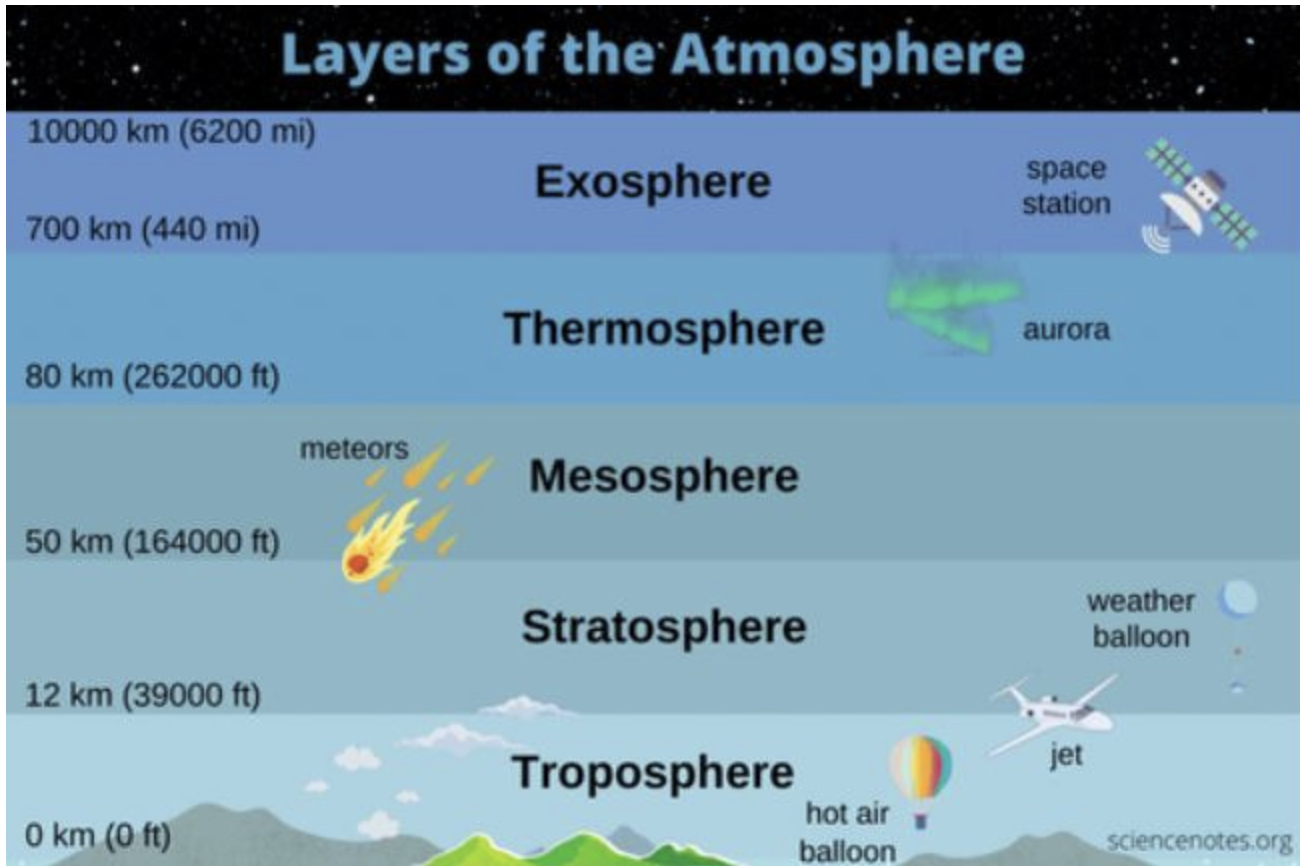
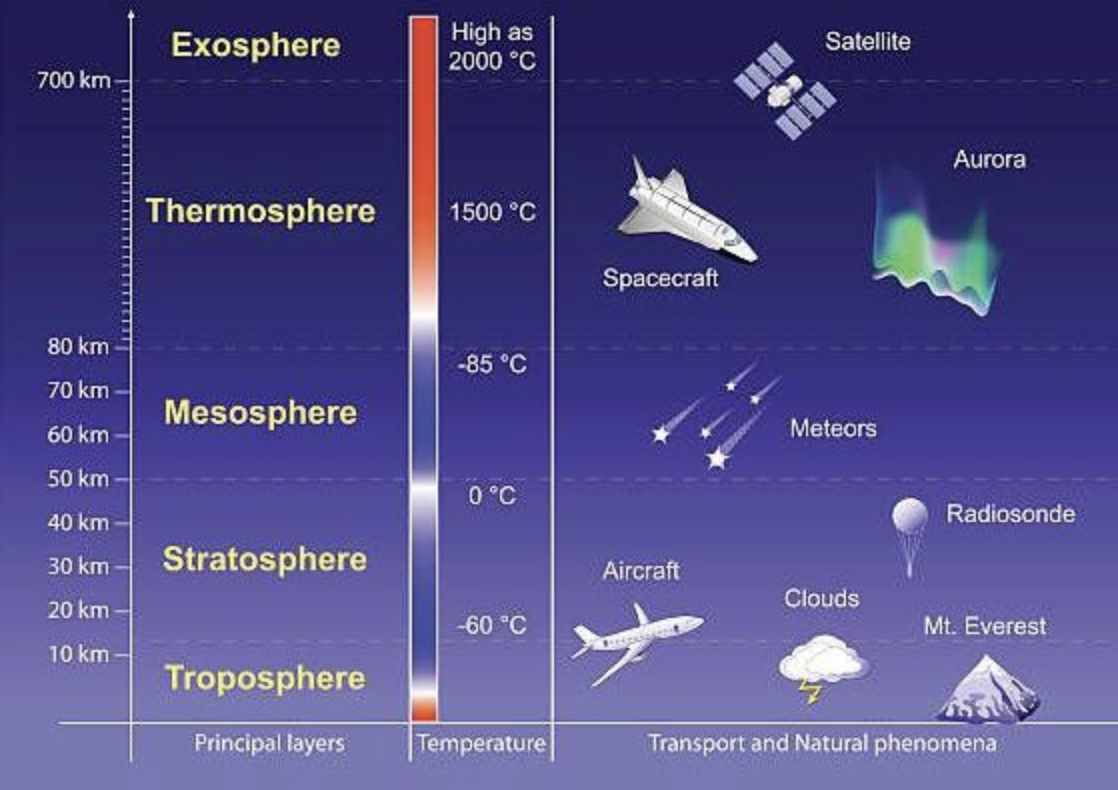
According to most scientific resources, and popular belief, space begins where the atmosphere ends. The layers of the atmosphere, in ascending order, are described as the Troposphere, Stratosphere, Mesosphere, Thermosphere and finally the Exosphere. Space is generally believed to be the endless, dark abyss beyond the Exosphere.
When it comes to looking-up images of the layers of Earth’s atmosphere, there seems to be general agreement on the altitudes of the lower layers but it seems like guesswork when it comes to the precise extent of the Exosphere and therefore the beginning of space. It could be argued that the real reason for this lack of knowledge, or clarity, is because no man or machine has ever actually been there or, at least, been beyond the atmosphere.
Here are a couple of examples:
If man has travelled 250,000 miles to land on the Moon, and supposedly been back again recently to do a lap of honour, then surely the exact altitude of the start of space should be fairly easy to define. This information would then help to provide the answer for the question posed in this article.
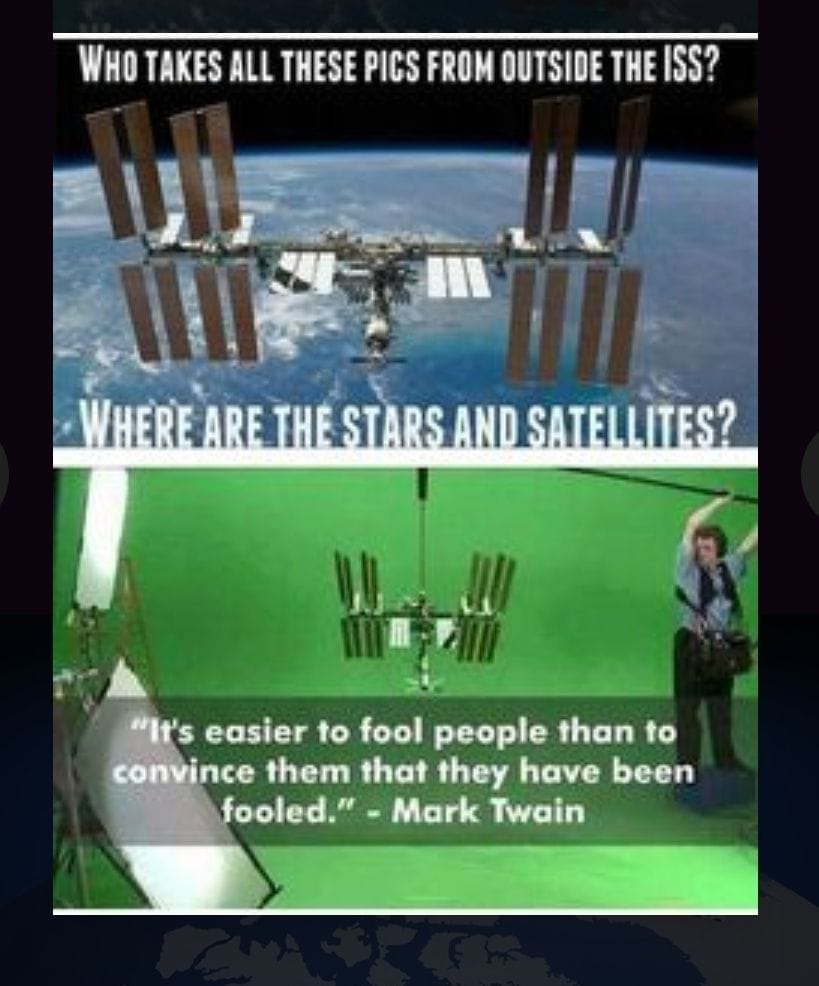
The International Space Station
The International Space Station (ISS) is officially described as travelling over 17,000 mph at a maximum altitude of 250 miles. Now, it doesn’t take a rocket scientist to realise that 250 miles into the sky is well below the outer layer of Earth’s atmosphere, defined as being around 6,000 miles up. In fact, it’s not even close to the outer edge of the Thermosphere.
According to NASA, regarding the altitude of the space station, it states:
“ISS orbits at an altitude of between 200 – 250 miles (370-460 km).
Now, whether you actually believe the space station exists or not, the official altitude given for the ISS lies within Earth’s atmosphere, no matter what the discrepancy in the thickness of each layer.
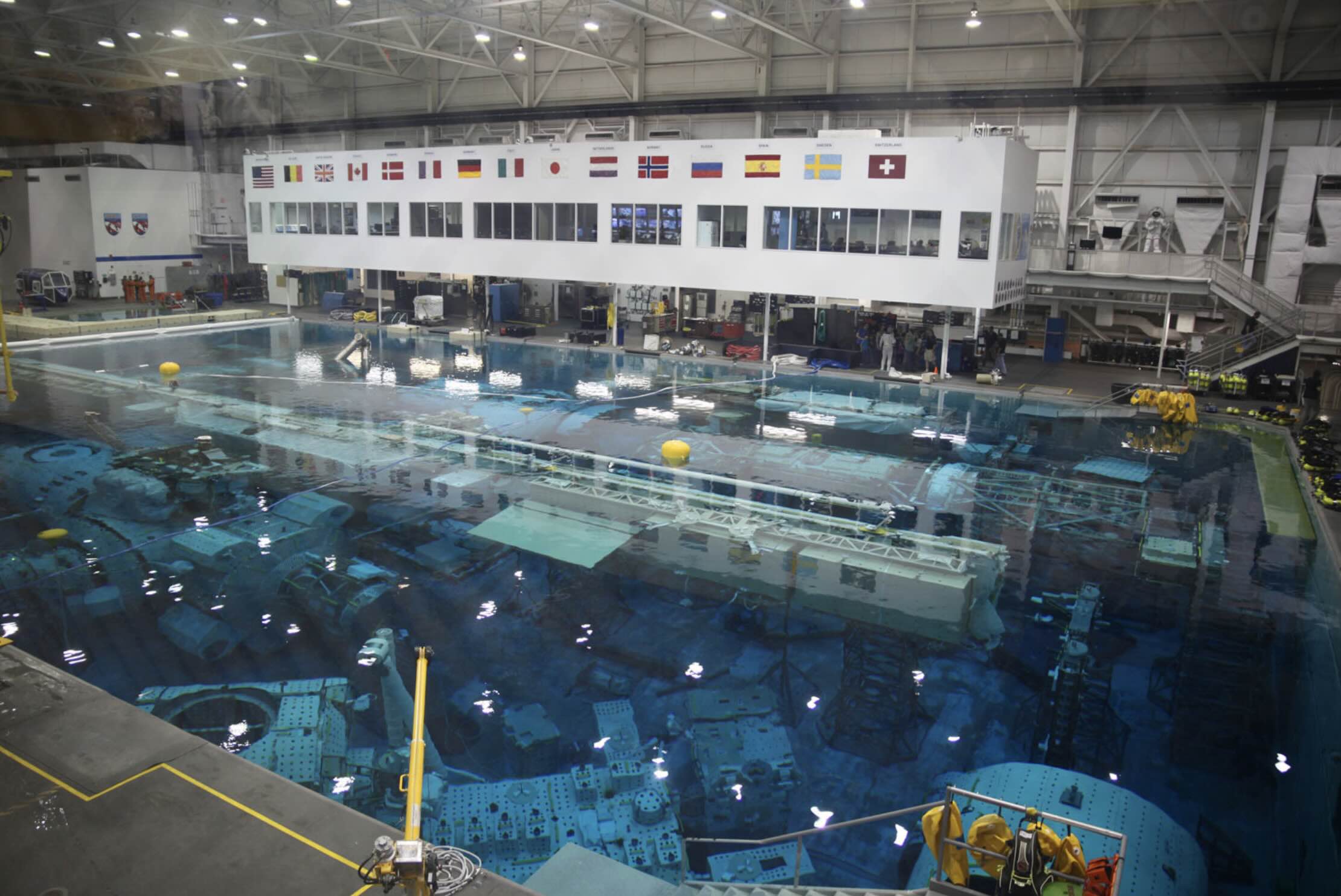
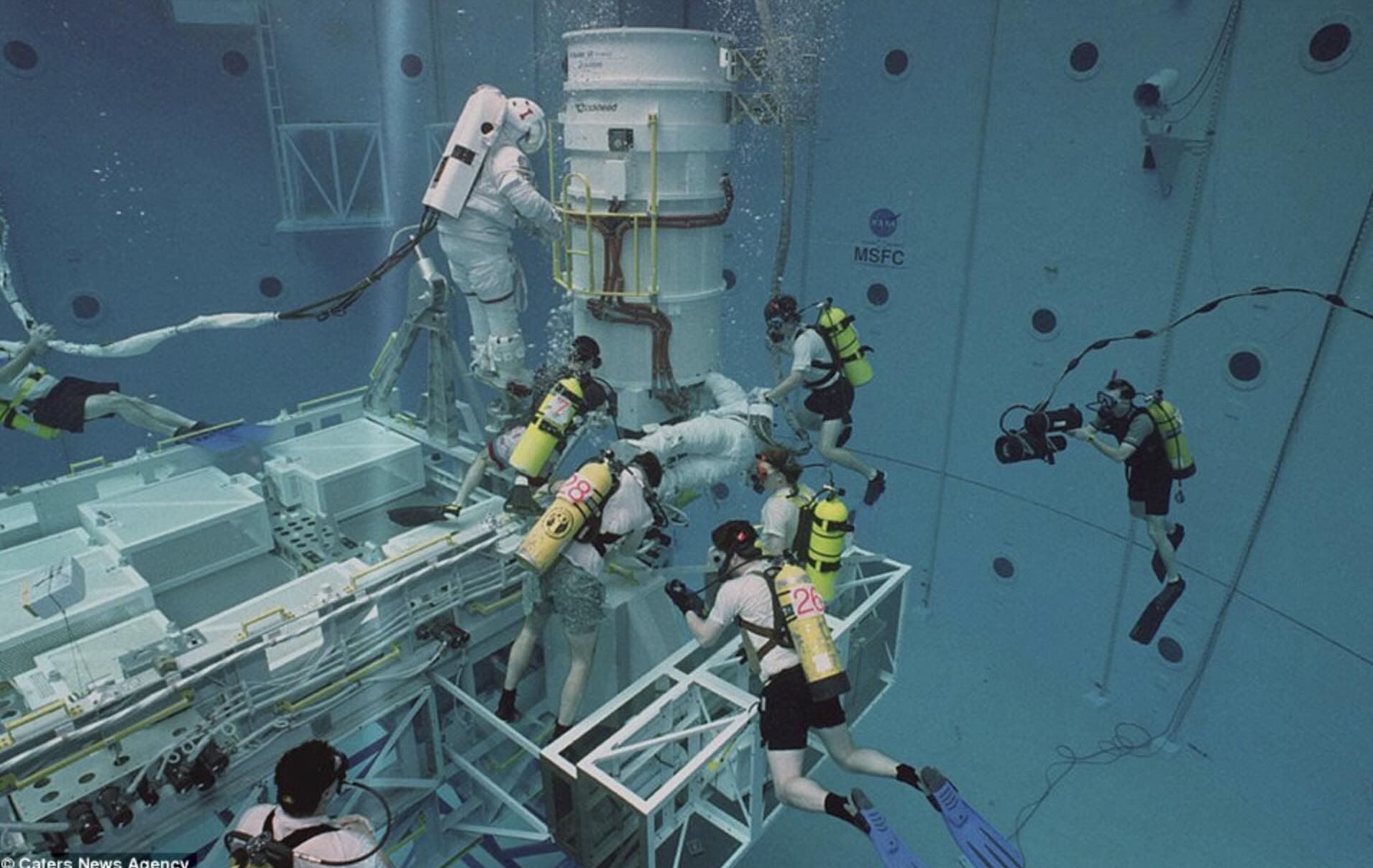
For a more precise location of the ISS, which overcomes the discrepancy between different definitions of space, photographic evidence is provided here:
Satellites
According to worldatlas.com, “most satellites are found within atmospheric layers known as the Thermosphere and Exosphere”. To repeat once more, these altitudes are within layers of the atmosphere and not what most people assume to be in space.
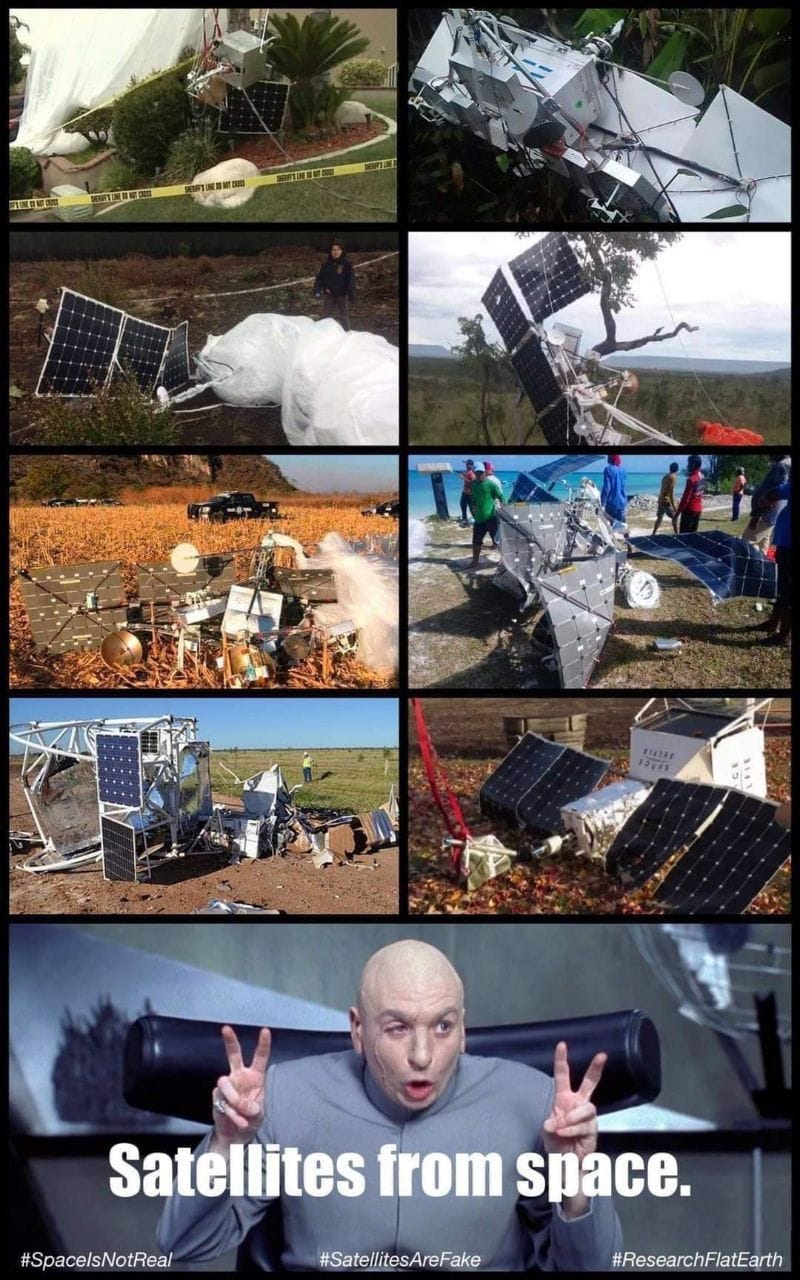
Nasa confirms this on spaceplace.nasa.gov:
“The Thermosphere is home to the International Space Station as it orbits Earth. This is also where you’ll find low Earth orbit satellites.”
The Karman Line
Interestingly, most people probably don’t realise that the officially accepted altitude of the start of space is actually nowhere near the outer edge of the Thermosphere and certainly not 6,000 miles up at the extent of the Exosphere.
Known as the ‘Karman Line’, the defining line for the beginning of space is described as being just 60 miles (100 kms) above ground level. According to an article on astronomy.com, The Karman Line, where Space Begins “Earth ends and outer space begins at the Karman Line, some 60 miles (100 kilometres) above the planet’s surface.”
Quoting Wikipedia, regarding the Karman Line:
“The Karman Line is a conventional definition of the edge of space; it is widely but not universally accepted. The international record-keeping body FAI defines the Karman Line at an altitude of 100 kilometres (54 nautical miles; 62 miles) above mean sea level.”
However, the U.S. Army brings space even closer to Earth. Wikipedia goes on to mention:
“The U.S. Armed Forces definition of an astronaut is a person who has flown higher than 50 miles above mean sea level, approximately the line between the mesosphere and the thermosphere.”
That means whenever you see 24-hour news coverage of a rocket launch into space or yet another group of celebrities heading off into the cosmos, they only have to go 60 miles up in the sky in order to be officially regarded as having been to space. That puts a bit of a dampener on most people’s impression that their idols have been out into the realms of Star Wars and Star Trek.
Even the astronauts that reportedly frequented the space station, for months on end, have never been outside of Earth’s atmosphere. This fact is proven by NASA’s own specifications on the altitude of the ISS relative to the layers of Earth’s atmosphere. The only space they have supposedly visited is just a layer in the atmosphere above which normal aircraft cannot fly.
By this stage in the investigation, there seems to be an awful lot of discrepancy and lack of continuity in the official definitions of space. Why is that so? Surely, the truth is the truth. However, if the entire narrative of an ever-expanding universe beyond Earth’s atmosphere is actually make-believe propaganda then it is understandable why there is so much variation in the storyline.
Van Allen Belts
Most people familiar with the Apollo missions to the Moon will have heard of the radiation band known as the Van Allen Belts. However, the location is assumed to be at a distance somewhere out in space between the Earth and the Moon.
Once again, discrepancies in the official narrative keep occurring. Low Earth Satellites are affected by the radiation from the Van Allen Belts. This indicates that the Van Allen Belts are in fact bands of magnetic radiation that exist within Earth’s atmosphere itself.
Solar Wind and Solar Particles
According to mainstream science there is no air in space. This should also mean that there is no wind. This does somewhat contradict the phrasing of solar winds. Furthermore, if the Heliocentric Sun is 93,000,000 miles away, doesn’t it seem a bit strange that solar particles and solar wind affect satellites within the Earth’s atmosphere?
Quoting from A.I., due to its ability to rapidly sift through mainstream articles, it states:
“Solar wind reduces satellite longevity by causing orbital decay, degrading hardware, and disrupting electronic systems.”
“Solar storms heat and expand Earth’s upper atmosphere (thermosphere), increasing atmospheric drag on satellites. This drag saps orbital energy, causing satellites to fall to lower altitudes faster than planned, as seen in the 2022 loss of 40 Starlink satellites.”
“Continuous bombardment by solar particles causes ‘sputtering’, which sandblast satellite surfaces and solar panels, leading to gradual performance degradation and reduce operational lifespan.”
Conclusion
If you believe that space is the dark expanse of the universe, starting above the outermost layer of Earth’s atmosphere, then satellites and the ISS are clearly not in space.
That means communications satellites, the International Space Station and Starlink satellites, are operating just up there in the sky. To be more accurate, they are all located within the defined layers of the atmosphere.
The only way that satellites can be described as being in space is by adapting the official definition of space itself. In other words, if space can be defined as being just 60 miles up into the atmosphere, then yes, satellites do most likely exist in space. The bottom line is that what most people think of as space is not what the mainstream media adopts for its’ own definition.
This then leads to a much more important question. If satellites and the ISS are unanimously described as being in space, while actually existing within Earth's atmosphere, what is to say that the Sun and Moon are not also within the atmosphere?
This video shows the sun is below the satellite
After all, the Sun and Moon can be seen with the naked eye and both seem to be exactly the same size and located just up there in the sky. The fact that the Thermosphere is so hot would also align with the idea that the heat of the Sun is in close proximity. Solar winds and solar particles occurring within the upper atmosphere also strengthen this argument.
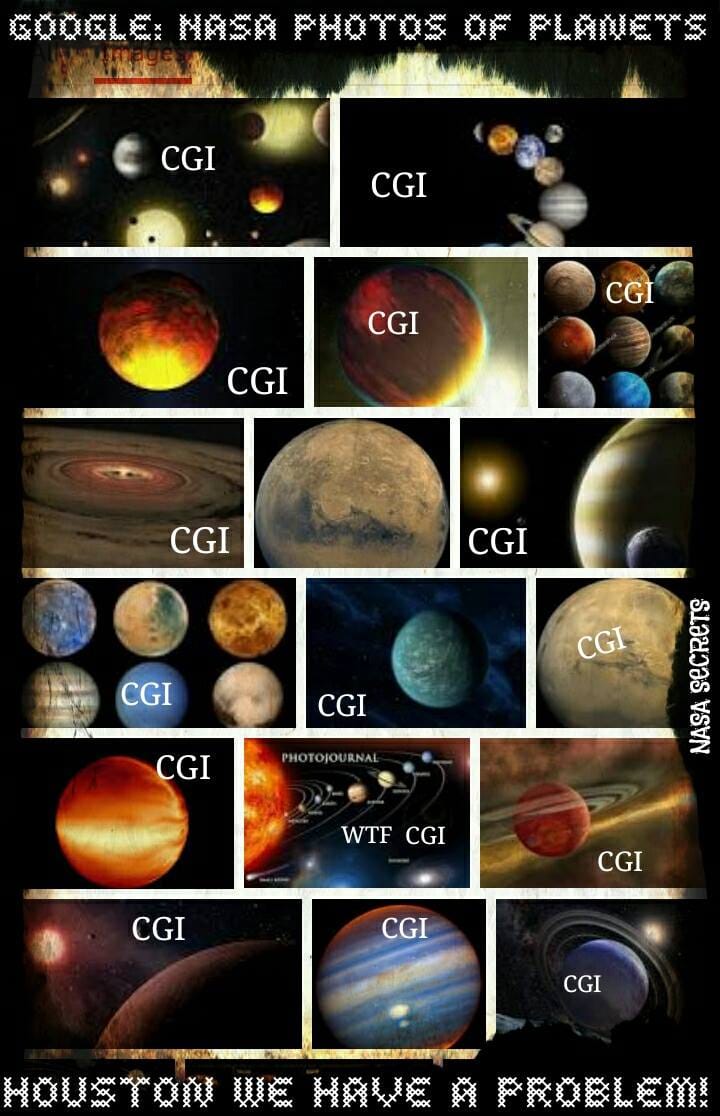
As a final thought, what if the entire narrative of a spinning-globe earth, hurtling through endless space is all make-believe? There is not one iota of evidence, outside of mainstream propaganda, Hollywood movies and NASA CGI, which proves that space, actually exists.
The answer to that question is the key to understanding the truth about the world in which you live, why you are here and what life is really about.
Original Article: Emailed to us from MP a Truth11.com reader.
Related:



Note: Comments placed in [ ] are added by Truth11.com editor. For example; [Flu] + videos and images added to the original article.
Comments ()